K9 Protection Ltd provides remotely monitored scaffold alarm systems for construction, refurbishment and maintenance projects across Cardiff, Newport and South East Wales. Designed for temporary environments where running permanent power or communications infrastructure may be impractical, our scaffold security systems use wireless detection, solar power and mobile communications to protect vulnerable access points around a building.
Scaffolding creates a security problem that is easy to overlook. Once erected, it can provide an almost purpose-built route to upper floors, windows, roofs and areas of a building that would normally be difficult to reach. A scaffold alarm helps detect unauthorised access before an intruder has the opportunity to reach the building itself.
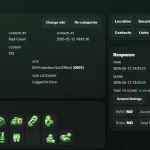
Our systems are remotely monitored and integrated into our own Guard Management System (GMS), allowing alarm activations, images, site information and response activity to form part of the same security workflow used by our mobile response teams.
What is a Scaffold Alarm?
A scaffold alarm is a temporary intruder detection system designed specifically to protect scaffolding and the areas around it. Wireless detectors are positioned at vulnerable points so that somebody climbing onto or moving through the protected area can be detected and an alarm raised.
Unlike a conventional intruder alarm installed inside a finished building, scaffold alarms need to operate in an exposed and constantly changing environment. Equipment therefore needs to tolerate weather, movement around the construction site and changes to the scaffold as the project progresses.
Scaffold alarm systems can be used on construction sites, occupied buildings undergoing refurbishment, roofing projects, apartment blocks, commercial premises and other locations where temporary scaffolding creates an additional route into the property.
How Does a Scaffold Alarm Work?
Our scaffold alarms use wireless detection equipment positioned around the areas most likely to be used by an intruder. Long-range detectors allow relatively large sections of scaffold or perimeter to be protected without requiring excessive amounts of equipment or cabling.
On a typical installation, particular attention is given to the first and second lift of the scaffold. These lower levels are normally where unauthorised access begins and protecting them can allow an intrusion to be detected before somebody progresses further up the structure.
The exact design depends on the scaffold layout, surrounding environment and risks identified at the site. Detection can be positioned to monitor access points, scaffold runs, ladders, vulnerable elevations and routes which could allow somebody to reach the building.
Image Verification and Remote Monitoring
Where image verification is used, an alarm activation can be accompanied by images from the detector covering the protected area. This gives the monitoring team additional information when assessing whether an activation is likely to represent genuine unauthorised access rather than relying on an alarm signal alone.
The system communicates remotely, so the protected site does not normally need a permanent broadband connection. Alarm information is transmitted to the monitoring arrangement and relevant information is fed into K9 Protection's own GMS platform.
This means the security process does not end when a detector activates. The incident can be logged, assessed and escalated in accordance with the site's agreed instructions, with a physical response arranged where required.
Solar Powered Scaffold Security
Construction projects rarely provide convenient permanent power exactly where security equipment is needed. Our scaffold security solutions can use solar-powered equipment designed for temporary deployment, reducing the need to run mains electrical supplies or temporary cabling around the scaffold.
This also makes the system easier to reposition as work progresses. Scaffold layouts frequently change during a project and wireless, solar-powered equipment can be moved or adapted as areas are completed, elevations change or the security risk moves elsewhere on the site.
Why Protect the First and Second Scaffold Lift?
For many scaffold installations, the first and second lifts are amongst the most important areas to protect because an intruder normally has to pass through these lower levels before gaining access to the rest of the structure.
Detecting somebody at this stage provides an earlier warning than waiting for them to reach a window, roof or internal part of the building. Depending on the layout, detectors can be positioned to monitor the likely climbing routes while allowing legitimate construction activity to continue during working hours.
There is no one-size-fits-all scaffold alarm layout, so the number and position of detectors should be based on the scaffold design, accessible elevations, adjoining buildings and the particular risks associated with the site.
Scaffolding Can Create Access to an Occupied Building
Scaffold security is not only a concern on empty construction sites. When scaffolding is erected around an occupied office, residential building, hotel or commercial property, it can create new access routes to windows, balconies, roofs and upper floors which were previously difficult to reach from ground level.
A scaffold alarm can therefore form part of the wider security arrangements for the existing building, providing detection around the temporary structure while the normal intruder alarm continues to protect the interior.
What Happens When a Scaffold Alarm Activates?
When a monitored scaffold detector activates, the alarm is received through the monitoring arrangement and assessed using the information available from the system, including image verification where fitted.
The incident can then be handled in accordance with the site's agreed escalation procedure. Depending on the service selected and the circumstances of the activation, this may include further monitoring, contacting an authorised person or dispatching a K9 Protection mobile response officer to investigate.
Because the service feeds into our own GMS, response activity can be managed through the same system used for our keyholding, alarm response and mobile security operations.
Scaffold Alarm or CCTV Tower?
A scaffold alarm and a temporary CCTV tower solve slightly different security problems. Scaffold alarms are particularly useful where the main risk is somebody gaining access to a defined route or elevation of a building, while CCTV towers are better suited to monitoring wider open areas such as compounds, storage areas and construction site perimeters.
On larger projects the two technologies can be used together. A scaffold alarm can protect access onto the structure while a remotely monitored CCTV tower provides wider visual coverage of the surrounding site.
Scaffold Alarms as Part of Construction Site Security
Scaffold protection can be used as a standalone service or incorporated into a wider temporary security system. Depending on the project, K9 Protection can combine scaffold alarms with temporary intruder detection, CCTV tower hire, specialist equipment protection and physical alarm response.
For sites where newly installed boilers, plant or valuable equipment are becoming a target, our BoilerGuard service can also be incorporated into the wider construction security strategy.
K9 Protection provides temporary construction security throughout Cardiff, Newport and surrounding areas of South East Wales, with monitoring technology backed by our own mobile security and alarm response operation.
Who Uses Scaffold Alarm Systems?
Scaffold alarms can be suitable for a wide range of temporary projects, including:
- Commercial refurbishment projects
- Residential developments
- Apartment and high-rise refurbishment
- Roofing and cladding projects
- Schools, colleges and healthcare buildings undergoing maintenance
- Occupied buildings where scaffolding creates access to upper floors
- Vacant property refurbishment
- Construction sites where theft, vandalism or trespass is a concern
Choosing a Scaffold Alarm System
When comparing scaffold alarm systems, it is worth looking beyond the number of detectors being supplied. The important questions are what areas of the scaffold will actually be protected, how alarms are communicated, whether activations can be visually verified, what happens when an alarm is received and how the system will adapt as the scaffold changes.
A useful scaffold security system should be designed around the risks presented by the particular building rather than simply attaching equipment at regular intervals. It should also have a clear monitoring and escalation process behind it.
K9 Protection combines wireless scaffold detection, long-range protection, image verification, remote monitoring and solar-powered temporary equipment with our own Guard Management System and mobile response capability.
To discuss scaffold alarm hire for a project in Cardiff, Newport or South East Wales, contact K9 Protection and we'll recommend a system based on the scaffold layout and risks presented by the site.